Professional Home CCTV Camera Setup Guide for Brisbane Homeowners
A person from Carindale thought her Ring doorbell was enough security until she discovered someone had been testing her back gate for weeks – completely out of camera range. That's when she realized professional home CCTV camera setup isn't just about buying cameras; it's about strategic placement and comprehensive coverage.
You've probably been there too. You've researched DIY security cameras at Bunnings, watched countless YouTube videos, and still feel overwhelmed by the technical jargon and installation complexity. You're not alone – most Brisbane homeowners struggle with getting their security right the first time.
Here's the thing about professional CCTV setup: it's not just about mounting cameras on walls. It's about understanding your property's unique vulnerabilities, choosing the right equipment for Brisbane's climate, and positioning everything so there's no blind spots for intruders to exploit.
With property crime continuing to rise across Brisbane suburbs like Logan, Ipswich, and Redlands, getting your home security right has never been more important. By the end of this guide, you'll understand exactly how professional installers approach CCTV setup and what makes the difference between a system that actually protects your family and one that gives you false confidence.
Understanding Professional CCTV Camera Setup vs DIY
Why Professional Installation Matters for Brisbane Homes
Look, I get it. When you're standing in the security aisle at Bunnings, looking at those $200 camera kits, it's tempting to think you can handle this yourself. But here's what most Brisbane homeowners don't realize until it's too late: professional home CCTV camera setup isn't just about the cameras themselves.
Professional installers bring something you can't get from YouTube tutorials – they understand how criminals actually think. They know that most break-ins happen through back doors and side gates, not your front entrance. They've seen enough failed DIY installations to know that camera placed too high misses faces, while cameras placed too low get vandalized or covered.
When you hire a professional in Brisbane, you're not just paying for installation labor. You're getting someone who understands Queensland's privacy laws, knows how to deal with our intense UV sun that destroys cheap cameras, and can design a system that actually deters crime rather than just recording it.
Common DIY Mistakes That Compromise Security
I've seen some horror stories over the years. There's the Aspley family who spent $800 on cameras from an online retailer, only to discover their "night vision" was useless beyond 3 meters. Or the Logan couple who installed cameras themselves but positioned them so poorly that when their shed was broken into, all they got was footage of the thief's back.
The biggest mistake DIY installers make? They focus on covering areas where they spend time, not where criminals actually enter. Your living room doesn't need a camera – your back gate does. Your driveway might feel like the obvious choice, but side passages are where most break-ins actually happen.
Then there's the technical stuff that trips people up. Running cables through walls without hitting electrical wires or plumbing. Understanding IP addresses and network configurations. Setting up remote access that actually works when you're at the office in the city. These aren't skills you pick up from a weekend project.

Essential Components of Professional CCTV Systems
Camera Types and Their Optimal Applications
When you're talking to a professional installer, they're not just thinking about "cameras" – they're thinking about the right type of camera for each specific job around your property. It's like having different tools for different tasks.
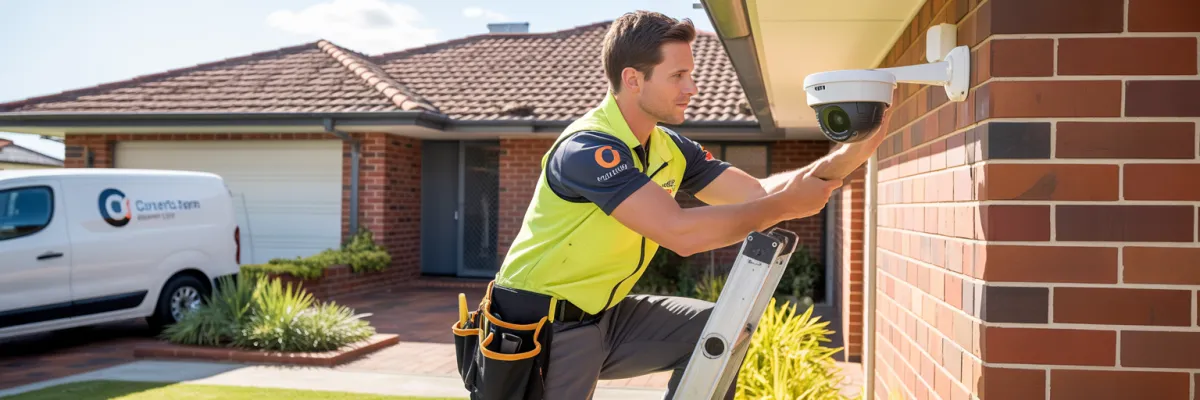
Dome cameras are perfect for your front entrance because they're harder for potential intruders to tell exactly where they're pointing. Plus, they're tougher to vandalize – trust me, I've seen too many bullet cameras get knocked off with a cricket bat. For Brisbane homes, dome cameras work great under eaves where they're protected from our harsh sun.
Bullet cameras are your workhorses for perimeter monitoring. They've got that obvious "you're being watched" look that makes people think twice. These are what you want pointing down your driveway or watching your back fence line. The newer models handle Brisbane's intense UV better than they used to, but you still want them positioned where they get some shade during the hottest part of the day.
PTZ cameras – that's pan, tilt, zoom – are game changers for larger properties. Instead of needing three fixed cameras to cover your backyard, one PTZ can patrol the whole area. They're more expensive, but for families with big blocks in areas like Ipswich or Logan, they make sense.
Recording Equipment and Storage Solutions
This is where a lot of DIY setups fall apart. You've got your cameras working, but where's all that footage going? Professional systems use dedicated network video recorders (NVRs) that are built for one job – recording and storing your security footage reliably.
Professional units have backup power supplies, redundant storage, and they're designed to run 24/7 for years without failing. They also handle multiple camera streams without dropping frames – something that becomes obvious when you're trying to track someone moving through your property.
Local storage still makes the most sense for most families in Brisbane. A good professional system gives you both – local storage that works even when your internet's down, plus cloud backup for the footage you really need to keep safe.
Network Infrastructure Requirements
Here's something most people don't think about until installation day: your home network needs to handle all this video data. Each camera is constantly sending high-definition video to your recorder, and if your network can't handle it, you get dropped frames, delayed notifications, and choppy playback.
Professional installers assess your network before they touch a single camera. They'll upgrade your router if needed, run dedicated network cables for cameras that need them, and set up separate network segments so your security system doesn't interfere with your kids' Netflix streaming.
Power over Ethernet (PoE) is a game changer here. Instead of running separate power cables to each camera, PoE sends power and data through the same cable. Professional systems use PoE switches that can handle multiple cameras, with backup power supplies so your security doesn't go down when the power flickers.
Power Supply and Backup Systems
Power failures happen, especially during Brisbane's storm season. Professional CCTV systems are designed with this in mind. Uninterruptible Power Supplies (UPS) keep your cameras and recorder running even when the power goes out, usually for several hours depending on your system size.
The backup power isn't just about keeping things running – it's about making sure you don't lose footage. When the power comes back on, your system needs to restart cleanly without corrupting video files. Professional equipment handles this automatically, while cheaper systems often need manual intervention.
Strategic Camera Placement for Maximum Coverage
Entry Point Monitoring (Doors, Windows, Gates)
This is where most DIY installations get it wrong. They put cameras where they think intruders might go, instead of where they actually do go. Professional installers know that 80% of break-ins happen through back doors, side gates, and ground-floor windows – not your front door.
For Brisbane homes, gate cameras are absolutely crucial. Most of our properties have rear lane access or side gates that can't be seen from the street. These are goldmines for opportunistic thieves. A camera positioned to capture anyone approaching your gate – with clear view of their face – stops most problems before they start.
Window cameras need special consideration. You want to capture someone attempting to force entry, but Queensland privacy laws mean you can't point cameras directly at your neighbor's property. Professional installers know exactly how to angle cameras to cover your windows while staying compliant.
Perimeter Coverage and Blind Spot Elimination
Think of your property like a security perimeter. Every gap in coverage is an invitation for someone to test your defenses. Professional installers walk your entire property boundary, looking for approach paths that aren't covered by existing cameras.
The corners of your house are usually the biggest blind spots. That's where fence lines meet, where garden sheds create shadows, and where someone can work on your windows or doors without being seen. Professional placement ensures overlapping coverage so there's no dead zones.
Height matters more than most people realize. Too high and you get great coverage but can't identify faces. Too low and the cameras are vulnerable to vandalism. Professional installers aim for that sweet spot – usually 2.5 to 3 meters high – where you get clear facial identification while keeping cameras out of easy reach.
Indoor vs Outdoor Camera Considerations
Indoor cameras serve a different purpose than outdoor ones. They're not mainly about stopping break-ins – they're about monitoring what happens inside your home when you're not there. This is especially important for families with teenagers or for keeping an eye on service providers working in your home.
Outdoor cameras face Brisbane's harsh environment. UV radiation, summer heat, sudden storms, and humidity all take their toll on cheaper cameras. Professional-grade outdoor cameras are built to handle these conditions, with proper housing and UV-resistant materials.
Brisbane Climate and Weather Protection
Our subtropical climate is tough on security equipment. Summer temperatures can exceed 40°C in direct sunlight, which will shut down cheaper cameras or reduce their lifespan significantly. Professional installers know which cameras handle heat well and how to position them for maximum protection.
UV radiation is probably the biggest long-term threat to outdoor cameras in Brisbane. The intense sun can fade housings, make plastics brittle, and degrade image sensors over time. Professional installers position cameras to minimize UV exposure and use equipment specifically rated for Australian conditions.

Professional Installation Process Step-by-Step
Initial Security Assessment and Planning
The first thing a professional installer does isn't mount cameras – it's walk your property like a criminal would. They're looking for the easiest entry points, the darkest corners, and the paths someone would take to avoid being seen. This assessment usually takes 30-45 minutes and it's where the real value of professional installation shows up.
During this walkthrough, they're also checking your existing infrastructure. Where's your internet router? How's your WiFi coverage in the backyard? Are there power outlets where cameras need to go? They're mentally mapping out cable runs and identifying any obstacles before they quote you a price.
Professional installers also consider your family's lifestyle. If you've got kids who play in the backyard, cameras need to be positioned so they're not constantly triggering motion alerts. If you work shift work, they'll make sure bedroom windows are covered without pointing cameras where neighbors might feel uncomfortable.
The assessment includes discussing your specific concerns. Maybe you've had packages stolen, or you're worried about your teenager's friends. Professional installers tailor the system design to address your actual security needs, not just provide generic coverage.
Equipment Selection and Customization
Based on the assessment, professional installers recommend specific equipment for your property. This isn't a one-size-fits-all approach – a townhouse in Carindale needs different cameras than a house on a big block in Logan.
They'll explain why they're recommending certain cameras for certain locations. Maybe you need a PTZ camera for your large backyard, or infrared cameras for that dark side passage. They'll also discuss storage options – how much footage you want to keep, whether you need cloud backup, and how to access your system remotely.
Professional installers also consider future expansion. They'll run extra cables or install additional network points so you can add cameras later without redoing the whole system.
Installation Day: What to Expect
Installation day typically takes 4-8 hours depending on your system size. Professional installers arrive with all the equipment they need, plus backup components in case something doesn't work as expected.
The first step is running cables. Professional installers use proper cable management – cables are hidden inside walls where possible, or run through conduit when they need to be external. They'll drill minimal holes and patch any damage to your walls or paintwork.
Camera mounting comes next. Professional installers use proper mounting brackets designed for each camera type and mounting surface. They'll level cameras precisely and test each mounting point to ensure cameras stay positioned correctly over time.
System configuration happens while cameras are being mounted. They'll set up your recorder, configure your network settings, and test each camera as it comes online.
System Testing and Optimization
Once everything's installed, professional installers spend time testing the entire system. They'll walk through your property triggering motion sensors, checking that all cameras are recording properly, and verifying that you're getting clear footage day and night.
Remote access testing is crucial. They'll connect to your system from their phone to make sure you'll be able to check your cameras from work or while you're traveling. They'll also test notification settings so you get alerts when you should, but aren't flooded with false alarms.
Before they leave, they'll train you on using your system. This includes showing you how to view live footage, review recorded video, and adjust basic settings. They'll also provide you with system documentation and emergency contact information for technical support.
Protect Your Brisbane Home with Professional CCTV Setup
Professional home CCTV camera setup isn't just about buying the right equipment – it's about understanding your property's unique vulnerabilities, positioning cameras strategically, and ensuring your system works reliably when you need it most. For Brisbane homeowners, the combination of our climate challenges, local regulations, and increasing property crime makes professional installation more valuable than ever.
The difference between a professionally installed system and a DIY setup becomes obvious when something goes wrong. Professional systems are designed to handle Brisbane's harsh conditions, comply with Queensland privacy laws, and provide the reliable protection your family deserves.
If you're ready to stop worrying about your family's safety and start enjoying real peace of mind, it's time to talk to Brisbane's trusted CCTV professionals. We'll assess your property's unique needs, design a system that eliminates blind spots, and install everything to professional standards with ongoing support you can rely on.
Get Your Free Professional Security Assessment
Don't leave your family's safety to chance. Contact us today for a comprehensive security assessment of your Brisbane home. We'll show you exactly where your property is vulnerable and design a custom CCTV solution that fits your budget and protection needs.
Call us now at +61409809577 or fill out our online form to schedule your free consultation. Brisbane families trust us to keep them safe – let us show you why professional installation makes all the difference.